


AX Solution
On the factory's record, AI decides first
It reads production, quality, equipment and energy data and proposes predictions and responses. The people in charge see the reasoning and approve.
ROADMAP
From the record to AI decisions
The operating record DX builds is used to predict and recommend, bringing decisions forward.
PAIN POINT
A record is no use if the decision comes late
When something goes wrong the root cause is hard to find, and responses lean again and again on a skilled worker's experience.The same defect gets a different cause and fix depending on who looks at it, and that judgement is never written down.When the person changes or is away, the same call cannot be made twice.
Models trained on process, equipment and quality data together narrow down likely causes and risky conditions, so anyone decides on the same evidence.The reasoning and the outcome build up as history, and an expert's experience stays on as the company's standard.

Defects show up at inspection after the process ends; equipment faults after the machine stops.The conditions that caused them are already gone, and everything made under them in the meantime turns into rework and scrap.Maintenance is tied to emergencies after a breakdown or to a fixed cycle, out of step with the equipment's real condition.
Anomalies and likely defects are predicted while the process runs, so conditions change before the part is made and checks come before the stop.Changes in vibration, temperature and current read the equipment's state, timing maintenance to condition rather than the calendar.

When production, quality, equipment and energy each pick their own best, they collide.A plan that raises output overruns equipment load and peak power; a condition slowed for quality shakes the delivery date.While each department brings its own screens and reports to a meeting to reconcile them, the response falls behind.
Each area's AI judgement is reviewed together within one set of constraints, and brought together as a response the people in charge can approve.Approvals and outcomes stay on record as the basis for the next decision.
LINE-UP
Eight AI solutions for the decisions across the floor
Planning, quality, equipment, energy, inspection, safety and documents each have their AI, and the AI Agent brings their judgements together.

01 · Process Optimization
Plan due dates and resources together.
Due dates, equipment load and stock are read together, for a production plan that can run.
- Production planning · APS
- Bottlenecks · delays
- Job option advice

02 · Quality prediction
Narrow down why quality shifts.
Quality innovation through the intelligence of process data
- Process anomaly detection
- Quality factor analysis
- Defect prediction
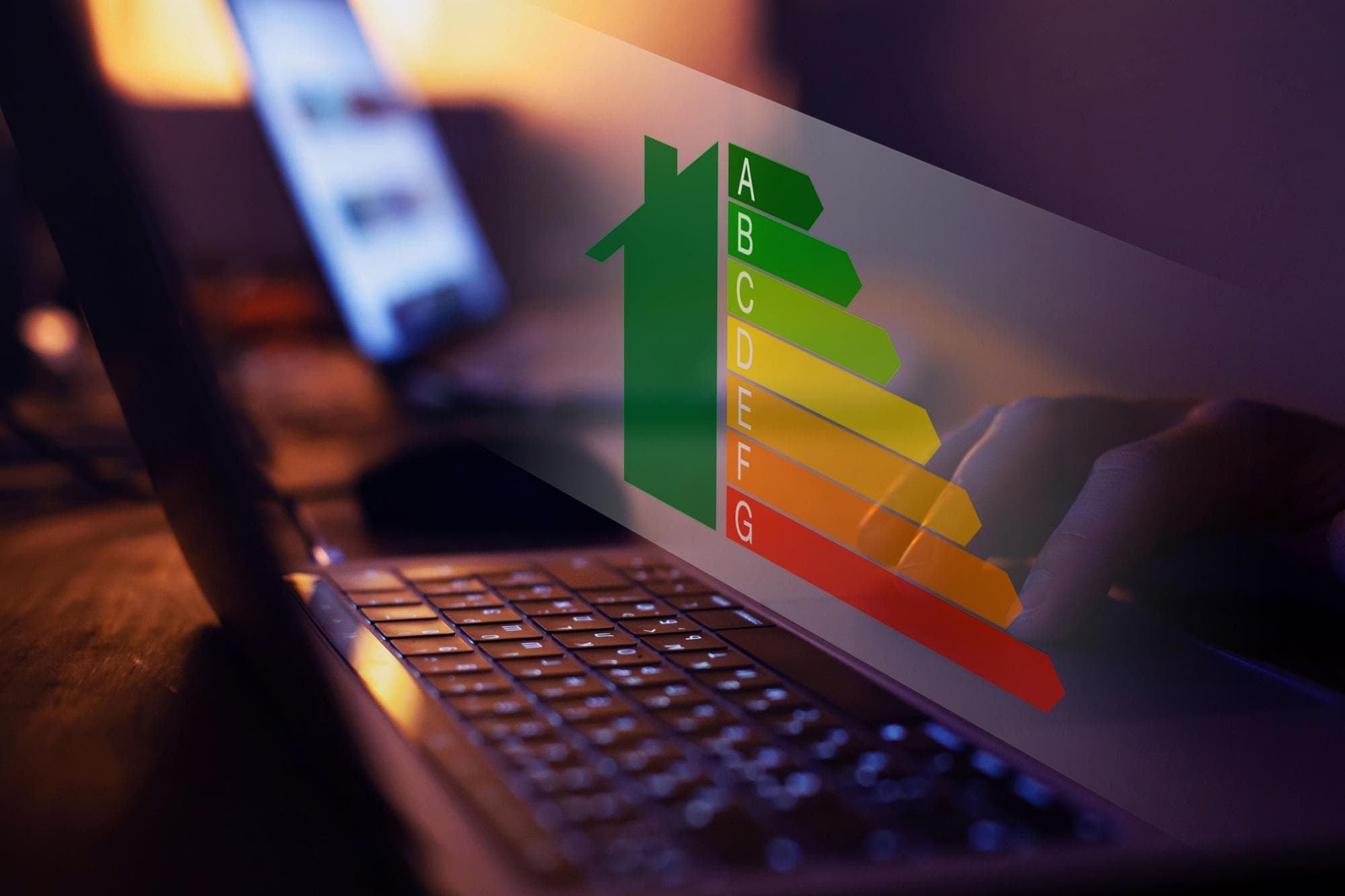
03 · Energy efficiency
Run to suit what you produce.
Energy-cost optimization realized through data-driven intelligent control
- Energy analysis
- Efficient operation advice
- Demand · peak forecasting

04 · Predictive maintenance
Get ready before it stops.
A factory that never stops — predicting the future of your equipment through data
- Condition data collection
- Failure mode diagnosis
- Anomaly alerts

05 · AI vision
Consistent inspection and counting.
Zero-defect quality management completed by precise, vision-AI-based inspection
- Surface · defect inspection
- Dimension · count recognition
- Quality statistics

06 · Industrial safety
Help respond to risk on the floor.
Structural safety built by technology — the standard for AI industrial safety
- Object · behaviour recognition
- Combined risk detection
- Collision risk response

07 · LLM assistant
Find the evidence behind a question.
The smartest work assistant — one that talks with your in-house data
- Natural-language data queries
- AI model hub
- Result visualisation

08 · AI Agent
Review every department's judgement together.
Production, quality, equipment and energy judgements come together as a response ready for approval.
- Plant-wide risk
- Expert AI collaboration
- Approval · execution history
INTEGRATION
On DX's record, AI decides
Rather than create new data, it reads the record and floor signals the DX stage has already built up.
WHY ITSCO
AX, built on DX:manufacturing AI projects delivered
Cumulative delivery and technology record · as of Sep 2026
108smart factory builds beneath it
Highlights
- 01M.AX certifiedConfirmed as a manufacturing AI specialist (2026)
- 02Heat-treatment sequence and tray loading simulationQuality variation in the carburising process quantified as a Q-score and linked to the MES.AX case study
- 03Energy optimisation where AI runs the HVAC on its ownModel predictive control cut HVAC energy by 15-30% while carbon data was managed alongside it.AX case study
PROCESS
Start from one question, widen in four steps
One question is chosen and proven, and once recommend-and-approve has taken hold, the scope widens.

Assessment
- The floor question to solve chosen
- Data standards and history checked
- Target metric and validation period set

Model development
- Data consistency secured
- Prediction and recommendation models trained
- Compared against current practice
Floor validation
- Applied to a pilot line
- Recommend → approve by the person in charge
- Reasons and changes recorded

Operation and rollout
- Results measured, models retrained
- More processes and work covered
- Automatic execution widened step by step


FAQ
Before you start: frequently asked questions
How much data do we need to use AI?
First, check that the same LOT, item and machine are identified the same way in every system, and that machine signals and work history share one clock. With records already built up in MES and FEMS, we start on top of them; where they are thin, we fill them in from the DX stage.
Which of the eight should we start with?
Pick the one floor question that matters most now — late delivery, defects, equipment faults, energy cost — and start with the solution that answers it, with a target metric and validation period compared against current practice.
Will AI run the equipment on its own?
No. At first it is designed so that the AI recommends and a person approves. Reasons and changes are recorded, and exceptions can fall back to the existing process. The scope of automatic execution grows with safety conditions and operational validation.
How is prediction accuracy checked?
Alongside model accuracy, whether people's decisions and actions actually improve is compared against the current baseline. In operation, results are fed back to retrain and refine the models.
What comes after AX?
AI decisions carry on into carbon and energy reduction (GX) and into what equipment and robots actually do (Physics AI) — proven in a digital twin first, then handed to the floor.
CONNECT THE NEXT
Connected solutions
The solutions that take this one's data and results and carry them on.
START WITH YOUR FACTORY
Start with your factory's own challenges
Check where you stand with the AX readiness check first, then carry on to a consultation.