




Before01
Company profile
- 40% of sales in Europe
- No in-plant measuring
- Scope 3 unprovable
GX Solution
Circular Operations for Traceable Outcomes
An end-to-end (E2E) integrated management solution for carbon regulation compliance
OVERVIEW
What PEF, CBAM, the GHG Protocol and DPP ask for is answered from a single carbon data system.
Environmental regulations requiring companies to report carbon emissions keep tightening, while data collection differs from site to site and is left unrefined, making data reliability hard to guarantee.
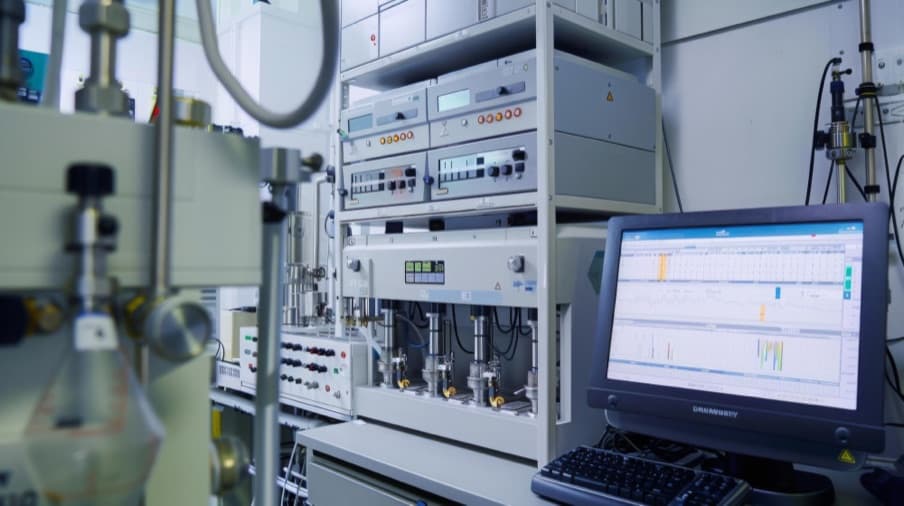
Data standards differ between the various pieces of equipment on the shop floor and external systems, which limits the ability to manage carbon emission data in one place

Many companies do not know where to start with carbon emission management, and securing dedicated in-house specialists also takes considerable cost and time.
SOLUTION LINEUP
From PEF life-cycle assessment through CBAM reporting and the GHG Protocol to DPP, on one system.
Regulation Coverage
01 / 04
01
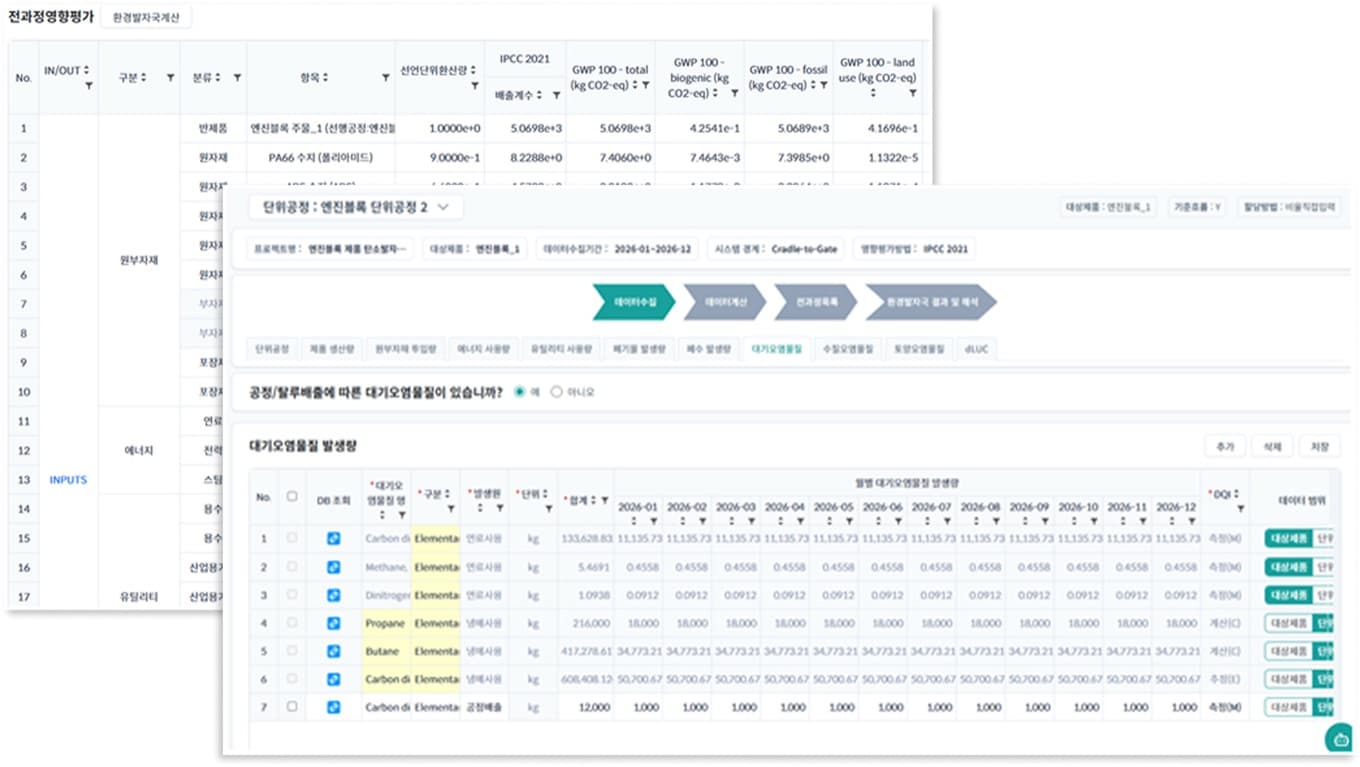
A scheme the EU introduced to assess the environmental impact of a product objectively. It quantifies 16 environmental impact categories, such as climate change and resource depletion, across the product's entire life cycle (LCA) — raw material acquisition, production, distribution, use and disposal. COTO performs LCA based on the ISO 14040/14044 international standards and, by linking to the trusted Ecoinvent database, analyses the environmental impact per functional unit of each product in detail.
Management Scope
PEF
The EU's standardised method for quantifying the environmental impact a product causes across its life cycle (LCA).
Steel and metal manufacturing

Automotive and batteries

Advanced industries

Defence and aerospace

Chemical industry
Construction industry
Steel and metal manufacturing
Automotive and batteries
Advanced industries
Defence and aerospace
Chemical industry
Construction industry
FUNCTION MAP
How the functions each regulation needs are grouped together.
UTILITY & FACILITYPEFProduct Footprint
Select a module around the hub to read its detail.
Its input, the COTO processing and the output flow appear in this area.
ARCHITECTURE PROCESS
From preparation to data exchange, and what each stage leaves behind.




EFFECT
What it leaves behind — in cost, reporting time, regulatory readiness and asset value.
BUSINESS OUTCOME
Cost savings
System boundary, infrastructure and the AAS conversion engine are put in place in one go, brought in-house as a lasting capability, and a new regulation is met by extending what exists rather than reinvesting.
Scope of build · in-house capability · reinvestment
Less time spent collecting data and writing reports
Integrated infrastructure shortens data collection, regulatory reports are issued faster, and the hours spent on manual, repetitive administration fall away.
Collection time · issuing speed · manual work
Regulatory compliance capability
Heavy carbon tax penalties are avoided, revenue lost by being dropped from a supply chain is prevented, and penalties caused by data errors are shut out.
Penalties · lost revenue · data errors
Maximised infrastructure asset value
AAS keeps the data as an asset, duplicated infrastructure investment is avoided, and the cost of bringing in a new system when rules tighten falls.
Data as asset · duplicate investment · new systems
CASE STUDY
Product-level carbon evidence automated into the AAS standard, keeping the European supply chain intact.

Customer industry
Automotive powertrain parts manufacturing
Before01
After02
Results
Build COTO and export carbon data on an international standard
The rules change every year. The preparation starts now.
Which of CBAM, PEF or DPP reaches you first — and how far your current data already goes.
Talk to us
