

Before01
The company
- 500,000 body parts a year
- Press, robot and forklift routes overlap
- Blind spots in CCTV monitoring
AI
Structural safety built by technology — the standard for AI industrial safety
OVERVIEW
Safety management moves from experience and instinct to judgment read out of video and sensor data.
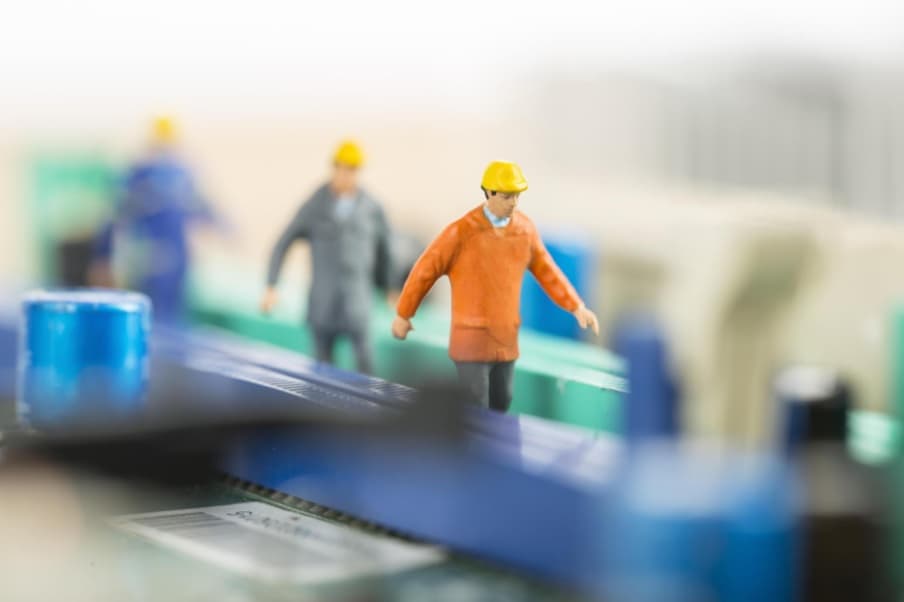
Safety management that depends on a worker's intuition and experience is limited in carrying out objective risk assessment and continuous preventive activity.

If an accident occurs at a workplace that has not established a safety and health management system, the responsible executive becomes subject to criminal penalties.
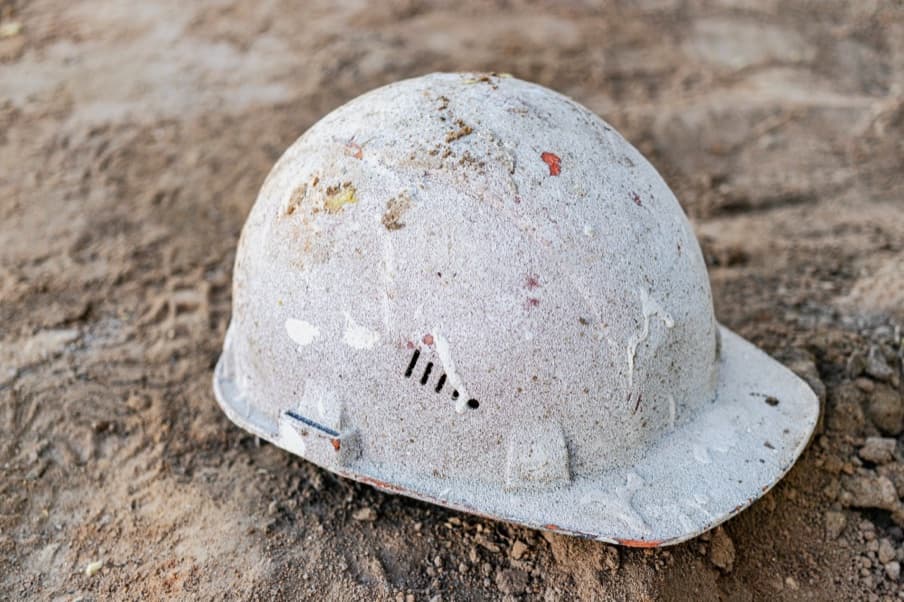
With too little accumulated accident-analysis data, fundamental countermeasures are hard to establish, creating a vicious cycle in which similar accidents repeat.
KEY FEATURES
From object and behavior recognition through compound hazard detection and collision prevention to model optimization.
Safety Capability
01 / 04
01
It identifies workers, equipment and hazardous materials on the industrial site in real time and analyzes their movement. Overcoming the limits of human vision, it provides monitoring with no blind spots and judges hazardous situations the moment they arise, preventing safety accidents.
Management Scope
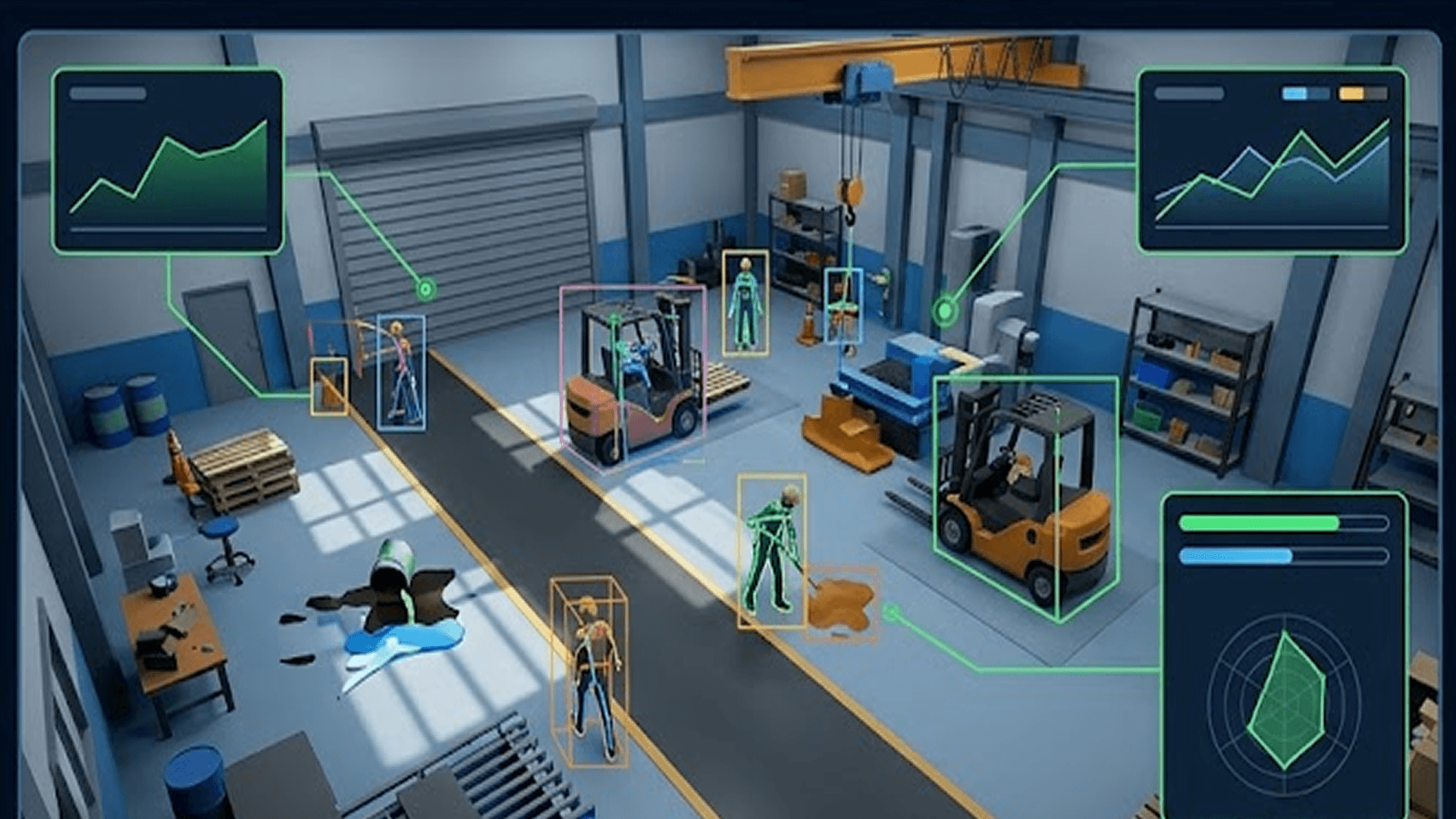
Object and behavior recognition
CCTV footage detects in real time whether workers are wearing helmets, entering hazardous zones or behaving unusually
WORKFLOW
For each capability, the order it runs in and the check it passes before moving on.
Site check
press · robot · forklift
Zone setup
work · access · passage zones
Video linkage
check occlusion · lighting · blind spots
Register standard
risk condition/responsible party
Recorded alongside
Camera/
Work/
Alert threshold/
Can the actual hazard zone be observed?
Monitoring scope → apply standard
Blind spot → add camera/sensor
An example workflow · the detailed links and criteria are set to suit your floor.
SYSTEM ARCHITECTURE
From the data that goes in to the results on the floor.
01 / INPUT
CONNECTED OPERATIONS
AI Safety
03 / OUTPUT
01 / INPUT
CONNECTED OPERATIONS
AI Safety
CONNECTED OPERATIONS
AI Safety
03 / OUTPUT
METHOD
Site video and sensors gathered and judged, then returned as an alert or a control.
Data Ingestion
CCTV
IP camera / RTSP
Wearables
Smart helmet / band
Environmental sensors
Gas / temperature / noise
Frequency analysis · denoising · normalization
Maps timestamps to equipment history
Target System
AI/ML Modeling
Feature extraction & preprocessing
Analysis & prediction
Video preprocessing
Lighting correction, resolution normalization
Object detection
YOLO v10, 11
Pose estimation
Unsafe posture detection
Location estimation
Worker and heavy-equipment tracking
Operational visibility
Instant hazard alerts
Early response, as it happens
Incident management & control
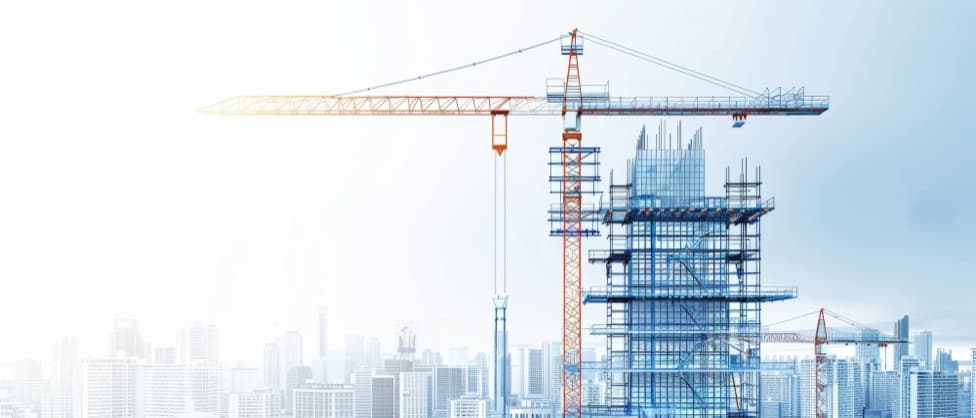
Construction sites
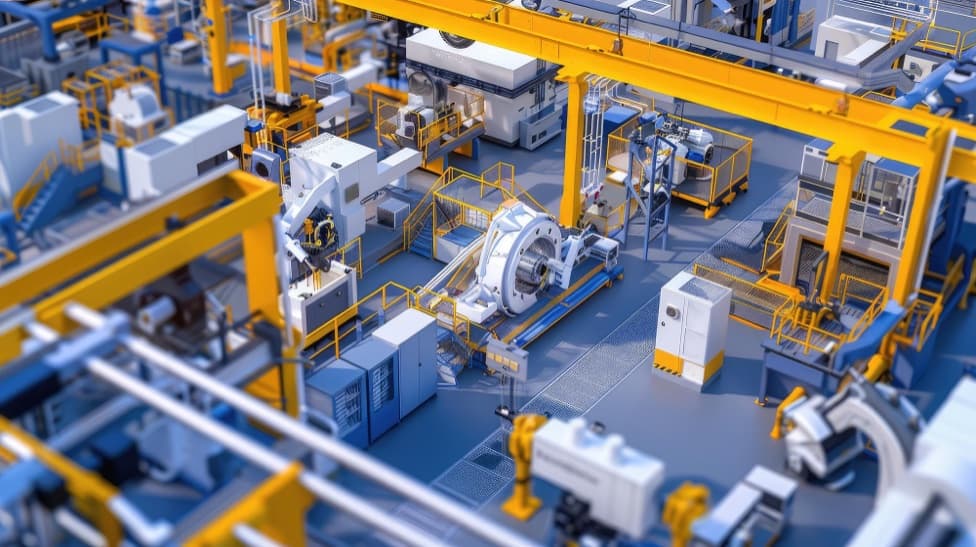
Manufacturing sites
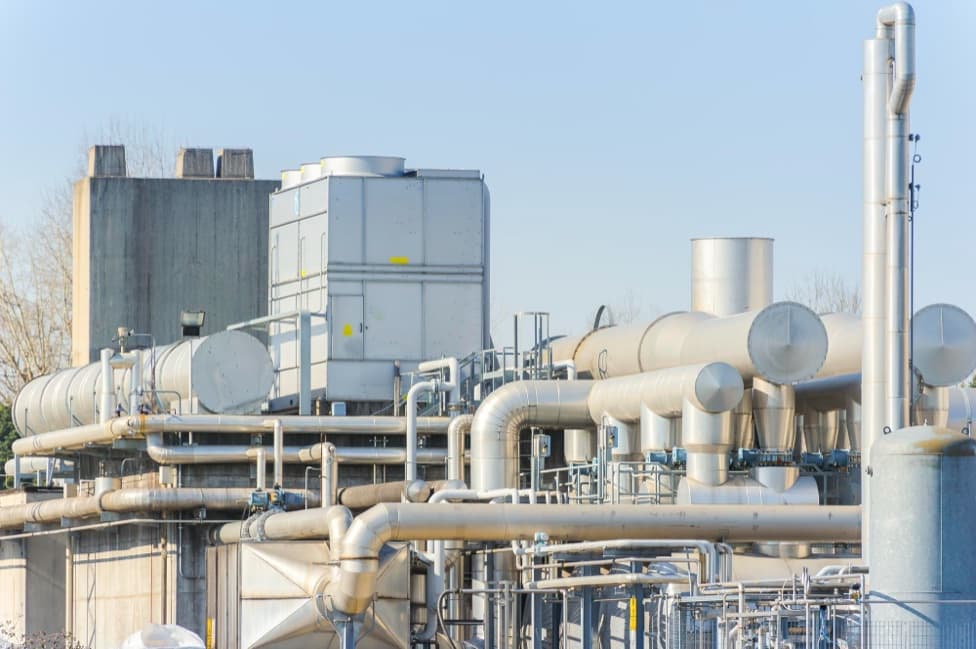
Gas / chemicals
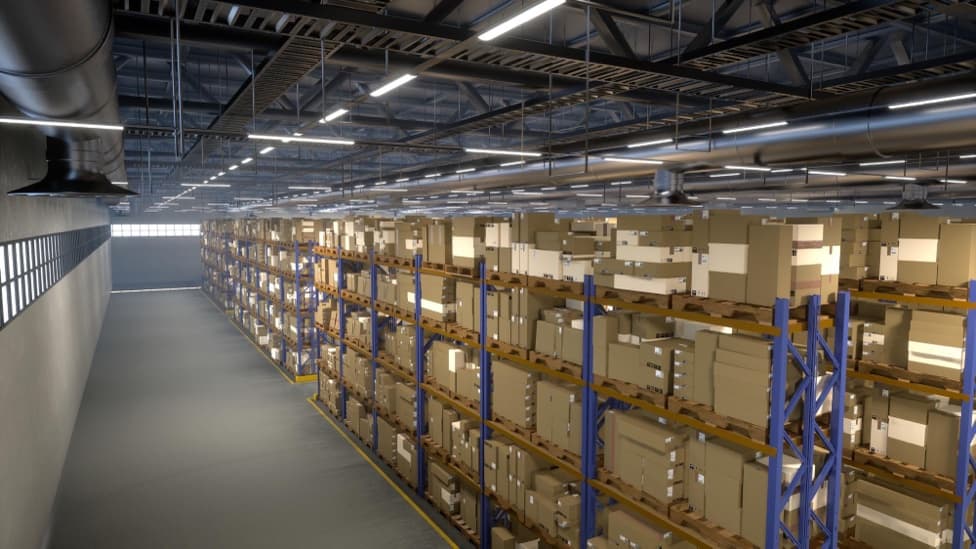
Logistics warehouses

Fire prevention

Security monitoring
Construction sites
Manufacturing sites
Gas / chemicals
Logistics warehouses
Fire prevention
Security monitoring
An accident is flagged at the dangerous moment, not after it.
EFFECT
What it leaves behind — in serious-accident risk, unprotected work, response time and inspection compliance.
Lower serious-accident risk
Entry into a danger zone and the first sign of failure are caught in real time and stopped before they become an accident.
Less unprotected work
Missing protective equipment and skipped procedure are judged from video and warned on the spot, so no task runs unprotected.
Faster response
An incident is detected automatically and pushed straight to the person responsible, with the location and the steps to take.
Higher inspection compliance
Inspection history and proof of duty accumulate on their own, so the compliance rate the law asks for can be checked at any time.
CASE STUDY
A car-parts plant where press lines, robot cells and forklift routes overlap, watched in real time by vision AI.

Customer industry
Car-parts manufacturing (pressing and welding)
Before01
After02
What it produced
Visual monitoring replaced by real-time AI detection

