

AUTONOMOUS
Digital Twin
A digital twin that connects the physical and the virtual
OVERVIEW
The real factory, moved across —and validated in the virtual one first
A digital twin designed on four axes at once: 3D build, real-time sync, learning and simulation.
- Overall equipment effectiveness · OEE
- 88%
- Mean of running and idle units · simulated
- Output / target
- 1,285/ 1,800 EA
- Good parts into stock · EA
- Average cycle time
- 20s
- Machining units · SEC
- Active alarms
- 0
- Units currently faulted
Drag to rotate · scroll to zoom · right-drag to pan · select a machine, robot or AMR for details.
Two fingers to zoom and pan · tap a unit for details
Updated --:--:-- KST
WHY DIGITAL TWIN
Three limits the floor runs into today
Unpredictable equipment failure, fragmented data, and process validation that requires stopping production
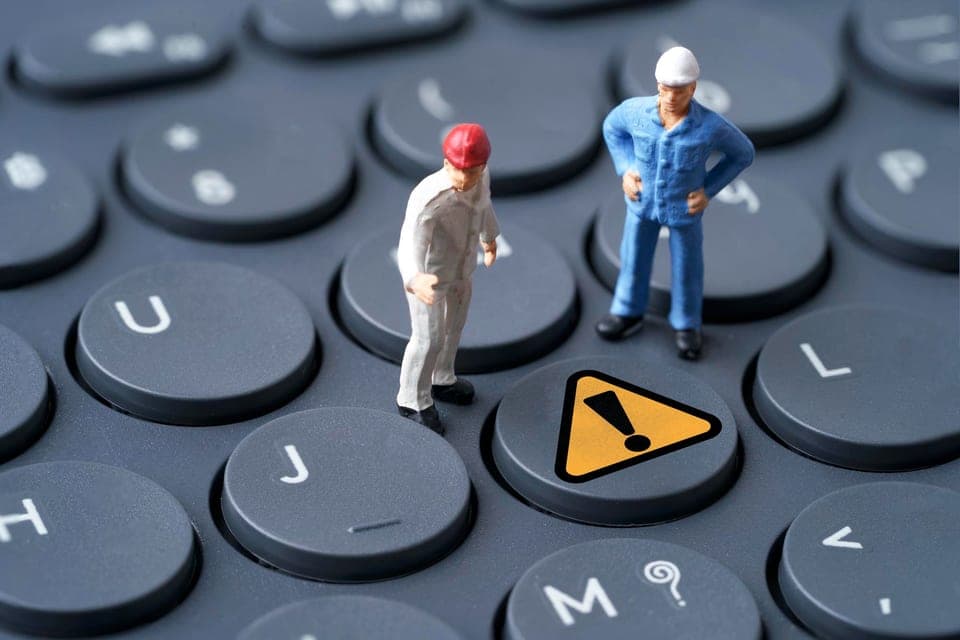
01Unpredictable equipment failure
Warning signs on equipment go undetected, so sudden line stoppages keep recurring. Unplanned downtime leads to enormous losses.
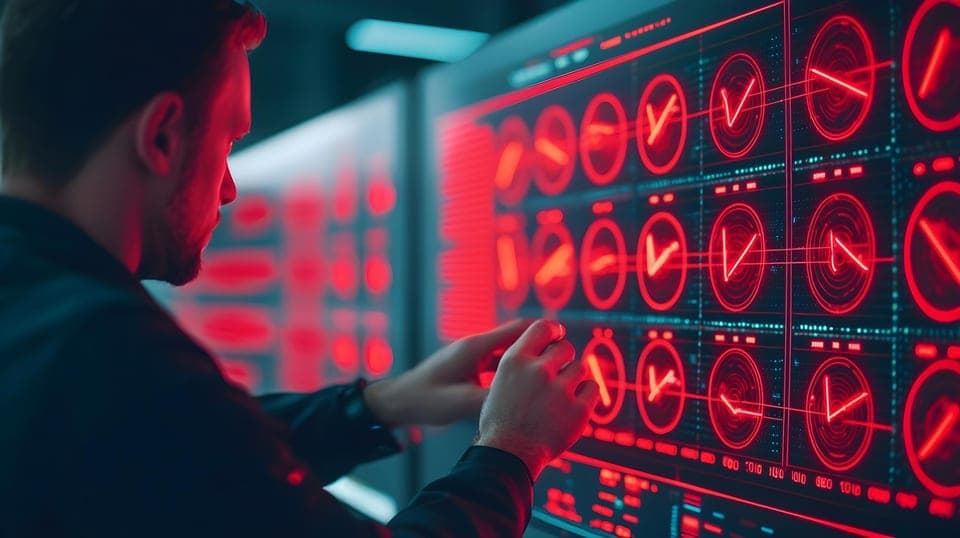
02Fragmented production data
Data sits in silos across PLC, MES, ERP and other systems, making it impossible to see the real-time state of the process as a whole.
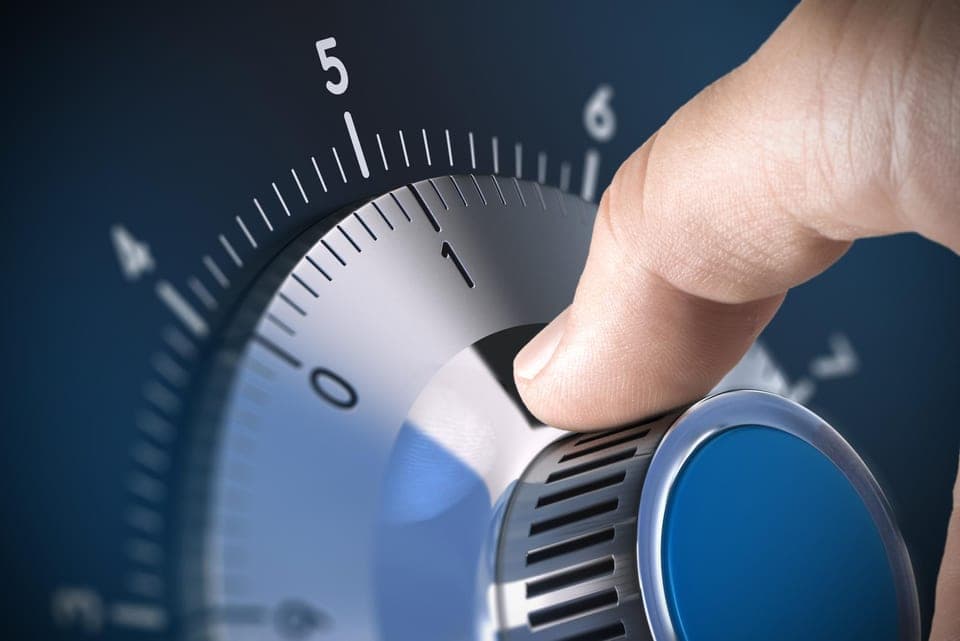
03Inefficient process optimization
Validating a new process or equipment layout means stopping the actual line to test it. Without simulation, the risk is hard to reduce.
TECHNOLOGY STAGES
Five stages, from mirroring to autonomy
Mirroring, monitoring, simulation, federation and autonomy — how a digital twin matures.
- 01
STEP 01
Mirroring
Equipment and processes are rebuilt in 3D, reproducing the floor in virtual space.
- 02
STEP 02
Monitoring
Live site data is linked in, so the current state is read on one screen.
- 03
STEP 03
Simulation
Conditions are changed and run through, so outcomes are seen and compared in advance.
- 04
STEP 04
Federation
Twins of processes, lines and plants are joined and handled as one.
- 05
STEP 05
Autonomy
AI decides for itself, tuning operating conditions to hold the optimum.
KEY FEATURES
Four capabilities that join the real and the virtual
From the 3D build through real-time sync and learning to simulation — what a digital twin is made of.
Twin Capability
01 / 04
01
3D Visualization
Real-time integration
ML Agent (Machine Learning)
Virtual simulation
Renders the shape, dimensions and material information of the physical object precisely as digital data, providing the foundation for visualizing it in virtual space and defining its physical structure.
Management Scope
- 3D modeling
- BIM/CAD
- Shader Mapping
- Rigging
- HDRP/URP
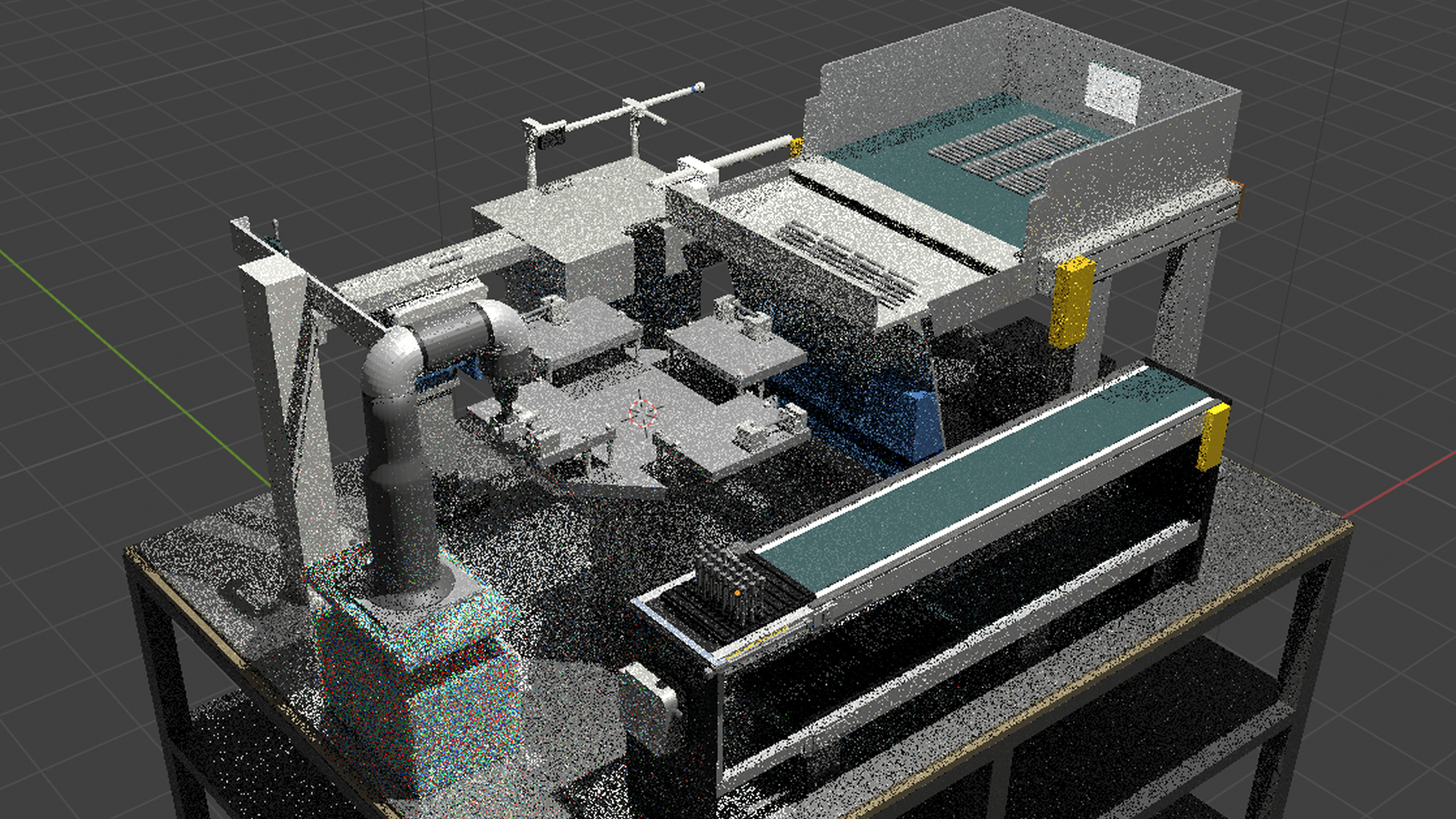
3D model and scan data
The real plant and its equipment rebuilt in virtual space from 3D spatial data and high-precision scans.
WORKFLOW
The workflow behind each capability
For each capability, the order it runs in and the check it passes before moving on.
An identification system for equipment matching the real plant
- 01
Site survey
Drawings · layout · equipment list
- 02
Virtual model
Space and equipment geometry
- 03
ID linkage
Physical ↔ virtual asset
- 04
Exploration view
Location · process relations
Recorded alongside
Equipment ID · coordinates
Links between processes
Model change history
Does the virtual equipment match the real equipment?
Identification confirmed → link data
Mismatch → correct location and ID
An example workflow · the detailed links and criteria are set to suit your floor.
Virtual simulation of your business processes in an optimal environment
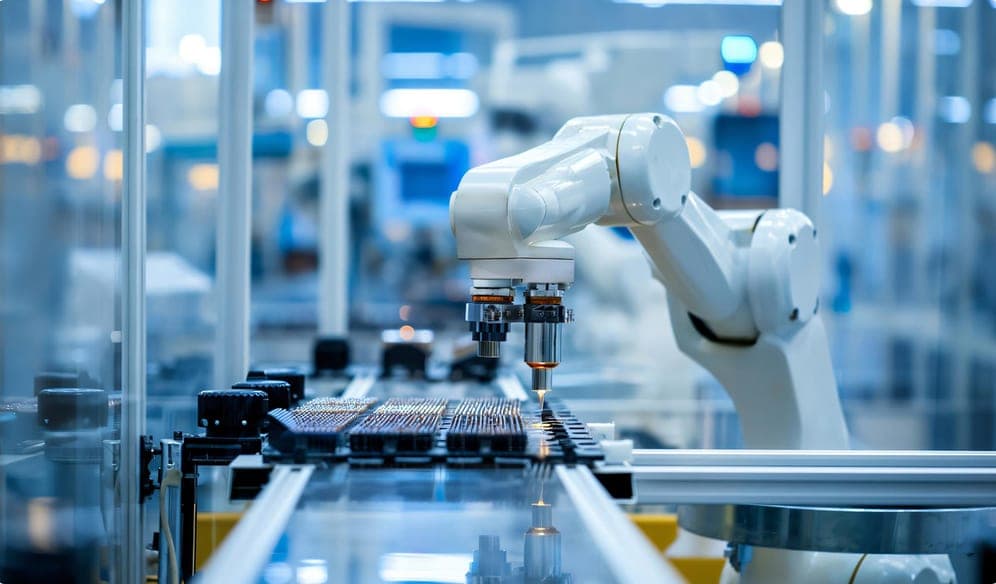
Manufacturing processes
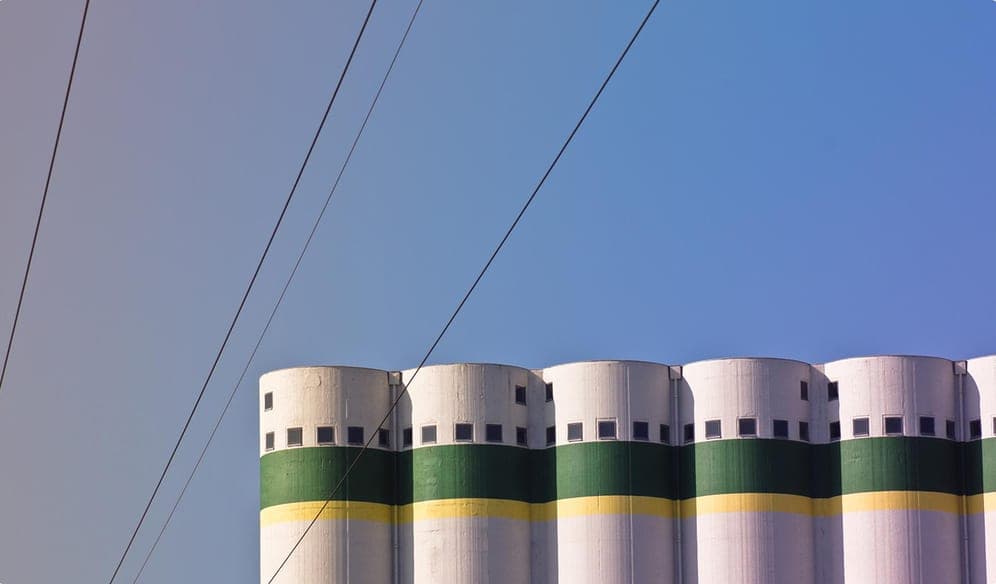
Energy and utilities
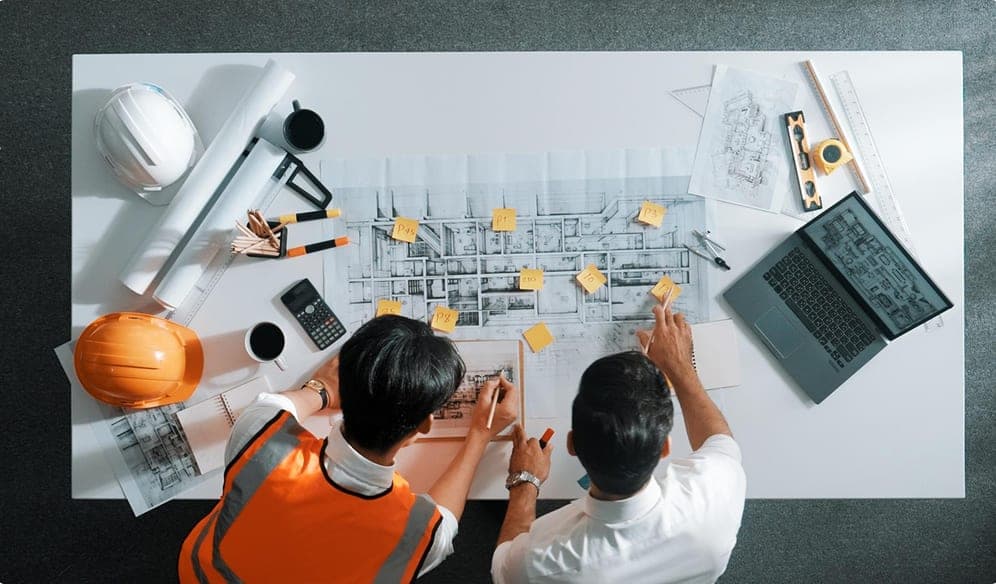
Construction engineering

Bio and pharmaceuticals
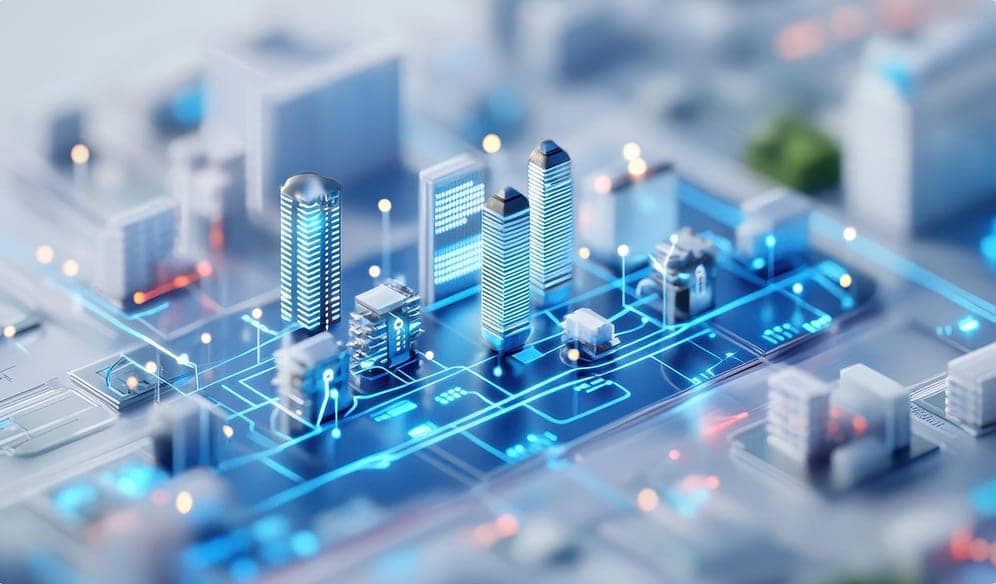
Smart cities
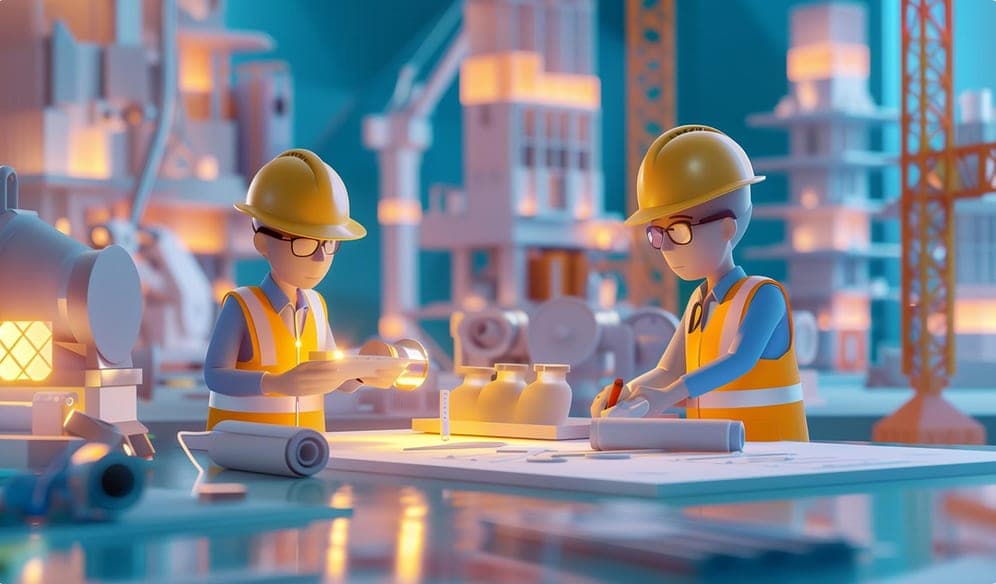
Safety and health industries
Manufacturing processes
Energy and utilities
Construction engineering
Bio and pharmaceuticals
Smart cities
Safety and health industries